ByJohn A
Benefits of Process Mining Technology
Process mining technology converts event data into actionable process insights, exposing actual workflows and deviations from designed paths. It reveals bottlenecks, rework, and idle time, enabling data governance and standardization across systems. With traceable metrics and dashboards, it supports compliance, faster decision-making, and concrete ROI. The approach emphasizes end-to-end visibility and auditable improvements. Yet, the full potential hinges on disciplined data quality and governance, prompting further exploration of practical deployments and measured outcomes.
What Process Mining Unlocks for Your Operations
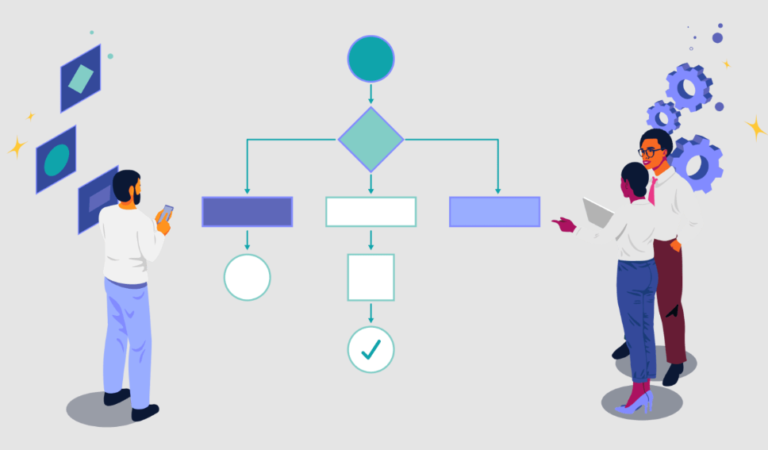
Process mining reveals how actual business processes operate across systems, identifying deviations from designed workflows and exposing bottlenecks, rework, and idle time.
It translates event data into actionable insights, enabling data governance and standardization.
By highlighting variance reduction opportunities, operations teams quantify improvements, prioritize changes, and sustain performance gains with traceable, objective metrics.
The approach fosters informed autonomy and measurable efficiency.
How It Improves Visibility, Compliance, and Control
How does process mining enhance an organization’s ability to see, enforce, and govern its operations? It reveals objective process realities, closing visibility gaps by mapping end-to-end flows and bottlenecks.
It strengthens compliance gaps detection, enabling timely remediation and audit readiness. With data-driven dashboards, stakeholders quantify risk, validate controls, and sustain transparent governance without sacrificing autonomy or strategic flexibility.
From Data to Decisions: Speeding Up Continuous Improvement
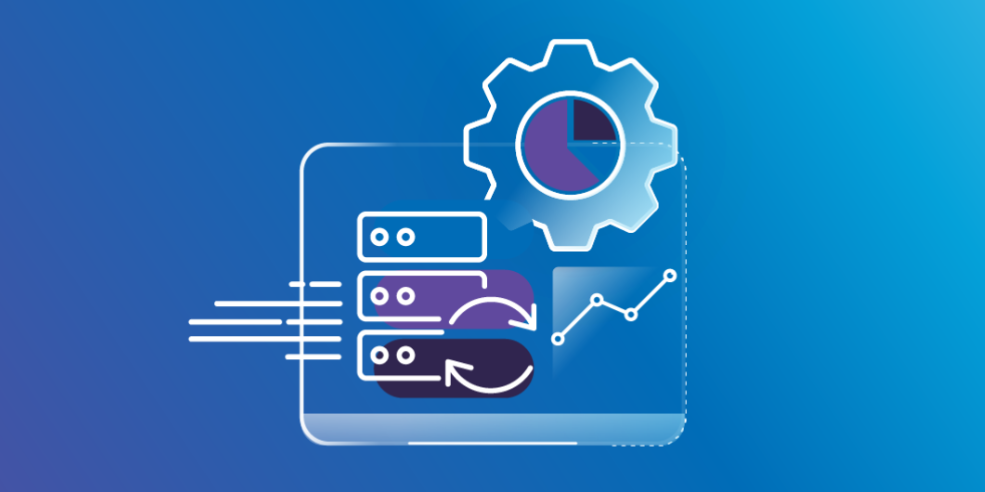
From data to decisions, continuous improvement accelerates when insight translates into measured action. Process mining translates raw event logs into actionable patterns, enabling rapid iteration. Through rigorous process discovery, teams identify bottlenecks, deviations, and cycle times, prioritizing interventions with measurable impact. Clear dashboards, data lineage, and traceability support disciplined execution, aligning improvement hypotheses with observable outcomes while preserving operational autonomy and informed risk management.
Choosing and Measuring Success With Process Mining
To determine success with process mining, organizations translate analytical findings into predefined, measurable outcomes and establish criteria that link discovery results to business value. The approach emphasizes objective metrics, ongoing governance, and transparent reporting.
Data governance ensures reliable inputs and repeatable analyses, while workflow integration aligns insights with operations. Measured improvements in cycle times, compliance, and throughput demonstrate tangible, scalable return on investment and freedom to optimize.
Frequently Asked Questions
How Does Process Mining Integrate With Existing ERP Systems?
The integration typically involves connecting process mining tools to ERP data sources, addressing integration challenges and performing data mapping, ensuring event logs align with ERP schemas, enabling seamless workflow visibility while preserving data provenance and system autonomy for users seeking freedom.
What Are the Upfront and Ongoing Total Costs?
Upfront deployment costs cover software licenses, hardware, and implementation efforts, while ongoing maintenance includes updates, support, and monitoring. Total cost varies by scope, data complexity, and user adoption; transparent budgeting supports informed decisions and sustainable freedom to scale.
Can It Quantify ROI and Payback Period?
ROI quantification and payback period analysis are feasible with process mining, enabling data-driven estimates of benefits, time-to-value, and variance. The approach supports scenario testing, sensitivity checks, and transparent documentation for freedom-seeking stakeholders evaluating investment viability.
Does It Require Specialized Data Preparation or Cleaning?
Yes, it requires some data preparation, though for many cases minimal cleaning suffices. Emphasis rests on Data standardization and Data lineage to ensure reliable insights, enabling freedom to explore processes while maintaining rigorous, data-driven decision support.
How Secure Is Process Mining Data and Who Owns It?
Like a vigilant lighthouse, the answer surveys security governance and data ownership. Process mining data is guarded by access controls and encryption; ownership rests with the data custodian or steward, governed by policy, contracts, and regulatory compliance.
Conclusion
Process mining translates disparate event data into a cohesive performance map, revealing actual workflows, bottlenecks, and rework with precision. By aligning operations with traceable metrics, organizations gain reproducible improvements, stronger governance, and auditable compliance. The technology accelerates decision cycles, turning data into actionable paths for optimization and ROI. In effect, it paints a data-driven panorama where transparency fuels continuous improvement, and every insight acts as a compass guiding enduring operational excellence. Like a lighthouse, it clarifies, steadying the course.