ByJohn A
Cross-Chain Transfers Explained
Cross-chain transfers enable assets and data to move between independent blockchains without a shared ledger. They rely on bridges that lock, burn, or mint tokens, or on liquidity abstractions that pool value across networks. The process raises concerns about security, finality, UX, liquidity risk, and governance, while enabling scalable cross-chain collaboration. The trade-offs and concrete implementations matter for selecting the appropriate mechanism, and questions remain about reliability and degradation under stress. Further examination will clarify practical decisions and risk exposure.
Cross-Chain Transfers Explained: What They Are and Why They Matter
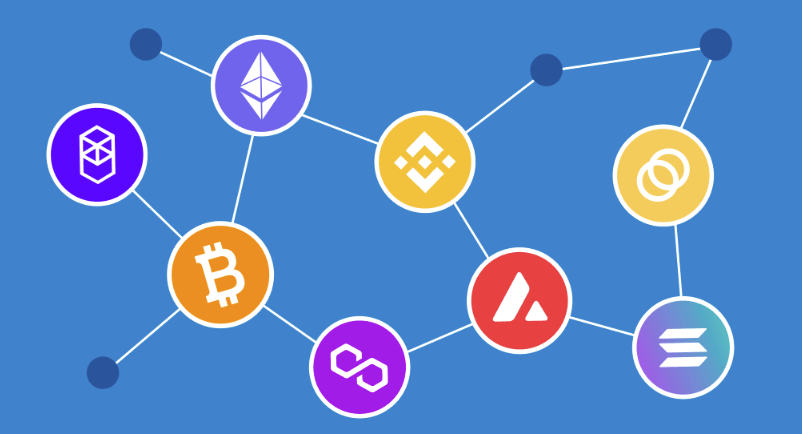
Cross-chain transfers enable the movement of assets and data between distinct blockchain networks without relying on a single shared ledger. This analysis frames cross chain concepts, detailing mechanics, risks, and value propositions.
Liquidity abstraction enables scalable asset liquidity across networks, reducing friction.
Cross chain transfers explained: what they are and why they matter, guiding strategic decisions for interoperable ecosystems and freedom-enabled innovation.
Bridges in Practice: Locks, Burns, and Minting, Step by Step
Bridges implement asset transfers between networks through a sequence of locking, burning, and minting operations that map value from a source chain to a destination chain.
Locking records custody and initiates transfer; burning reduces supply on the source; minting creates corresponding assets on the destination.
Bridges security, finality, cross chain UX, liquidity risk, operational resilience, and fault tolerance determine reliability.
Security, Finality, and Trade-offs: What to Watch For
This section evaluates the security and finality guarantees of cross-chain transfers, focusing on how protocol design choices influence risk, settlement certainty, and operational resilience.
Fragmented guarantees emerge when components diverge in liveness or validation, elevating edge-case exposure.
Governance burden compounds risk through slow updates and conflicting incentives, underscoring trade-offs between robustness, adaptability, and decentralized decision-making in volatile ecosystem conditions.
See also: Common Roadmap Mistakes in Crypto Projects
Evaluation Framework and Use Cases: How to Pick the Right Bridge
A structured evaluation framework is needed to compare cross-chain transfer mechanisms and identify when a given bridge aligns with specific operational and risk profiles. The analysis emphasizes bridges evaluation, token compatibility, and interoperability scopes. Use cases hinge on security assurances, liquidity depth, and governance alignment, while avoiding marginal terrain. Decision criteria balance flexibility, performance, and compliance, guiding selection for diverse multi-chain ecosystems.
Conclusion
Cross-chain transfers enable interoperable ecosystems by securely moving value and data between independent blockchains. Bridges typically lock or burn on the source and mint on the destination, enabling liquidity without central intermediaries. While finality and security trade-offs exist—watch for oracle risks and governance—well-designed bridges offer scalable liquidity and improved UX. A common objection is perceived centralization; effective designs employ multi-sig or threshold validation to distribute trust, maintaining robust cross-network interoperability without single points of failure.